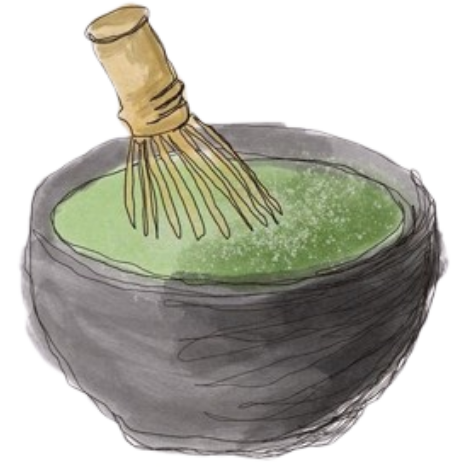
Matcha is a drink that has captivated Filipinos everywhere, bringing people together over a shared interest that has also transcended the borders of the country. But how did this craze start in the first place? Who kickstarted the trend? Where did matcha come from, and how did it arrive in the Philippines?
Contrary to popular belief, matcha and the traditional tea culture actually originated from China. Japanese monks who studied in China then brought tea seeds back to Japan and then cultivated them. However, the tea culture did not instantly boom at first.
It only did with the help of Zen Buddhist monk Eisai, who is known as the “father of tea” in Japan. Similar to the other monks from years before, he studied Buddhism in China, and upon his return, brought tea leaves with him, finding tea to be a drought that helped him stay awake and concentrate better. Using his learnings of tea brewing from China, he wrote a book titled Kissa Yōjōki (Drinking Tea for Health). From this, Japan’s tea culture steadily grew and spread across the country; on the other hand, China’s tea culture started dwindling and fading.
It is said that the tea leaves Eisai brought to Japan was actually the matcha leaves we’ve come to love today. Eisai originally planted these in the grounds of the Kamakura Shogun, which was in Kyoto. From there, matcha, which was originally brewed only for medical purposes, then became something to enjoy for social and recreational purposes as well. Men and women alike were taught how to brew tea, allowing the traditions to pass even until the modern era. Until this day, Japan still keeps the traditional brewing methods that were learned from China, with some slight alterations.
With modernization, there came some experimentation. Tea production became mechanized, making the leaves much more accessible a compared to before. Café owners started experimenting by adding matcha into their menus as an alternative order in their drinks, desserts, and other meals. It was an additional flavor one could add into their palette, and who knew that it would gain popularity and kick of everywhere across the globe.
However, even with the rise of matcha in cafés worldwide, with the tea being mixed with milk or water, or added into our foods, Japan still likes to consume and create their matcha in the traditional way without any added flavor. It is part of their discipline and long-standing tea culture, prioritizing a legacy over trends. Meanwhile, the Philippines has also adapted to the lifestyle of matcha in drinks and desserts, liking it for its added health benefits in comparison to regular coffee.
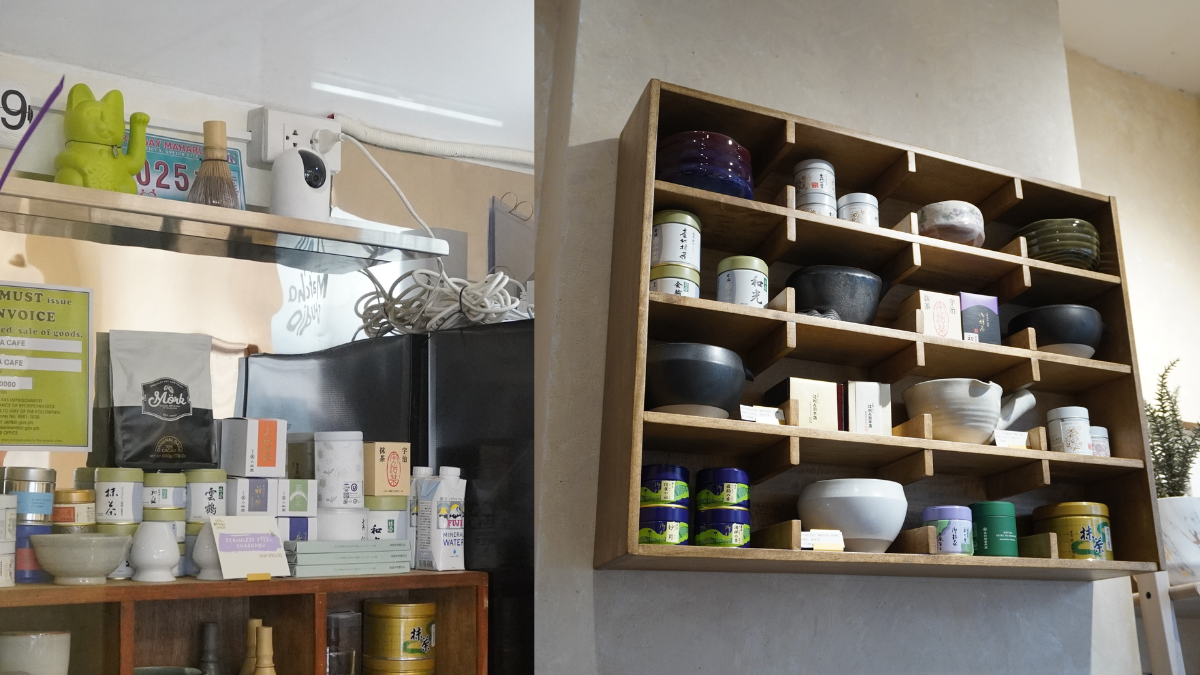
With this, not only have international matcha brands found a place here in the Philippines, even Filipinos themselves are kickstarting their own matcha brands. And this is the purpose of this website, to help introduce the greater Filipino audience to locally-owned matcha stores, which can prove to be great alternatives compared to the international ones.
References
- Why the world can’t stop drinking matcha, and why Japan still does it differently — Manila Bulletin
- The History of Matcha: A Thousand-Year Journey from Its Origins to a Global Phenomenon — Zenkyu Matcha.
- The History of Matcha — Matchaful.