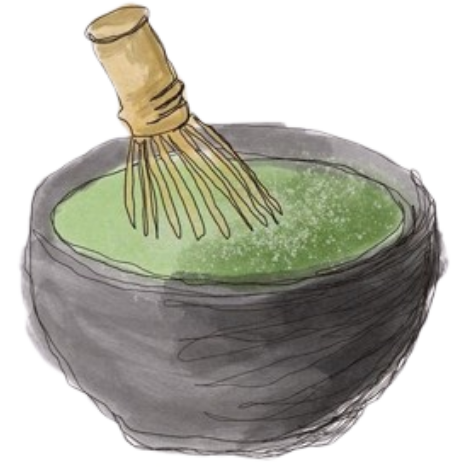

Matcha is more than a vibrant green drink. Because the whole tea leaf is ground into a fine powder and consumed, matcha contains compounds naturally found in green tea, including caffeine, L-theanine, and catechins.
A Source of Antioxidants
Matcha is rich in catechins, a type of antioxidant that helps protect cells from oxidative stress. One of the most studied catechins in green tea is EGCG (epigallocatechin gallate). While research on green tea is promising, matcha should not be treated as a cure or treatment for disease.
Gentle Energy Boost
Matcha naturally contains caffeine, which can help increase alertness and reduce feelings of tiredness. Unlike coffee, matcha also contains L-theanine, an amino acid associated with relaxation and attention. The combination of caffeine and L-theanine may support focus and concentration.
Focus, With a Calmer Feel
The caffeine and L-theanine in matcha are one reason many people enjoy it while studying or working. Research suggests that consuming these compounds together may have beneficial effects on attention and cognitive performance.
A Green Tea Habit
Green tea consumption has been associated with several potential cardiovascular benefits, including modest effects on cholesterol and blood pressure. However, research specifically on matcha is still developing, so more studies are needed to determine whether matcha offers benefits beyond those associated with green tea generally.
A Little Matcha Goes a Long Way
Matcha can be a flavorful addition to a balanced lifestyle, but more is not necessarily better. It still contains caffeine, and individual tolerance varies. Enjoy it as part of your daily routine rather than relying on it as a health supplement.
Bottom line:
Matcha offers antioxidants, caffeine, and L-theanine in one bright green cup—but its biggest benefit may simply be making a mindful, enjoyable drink part of your routine.